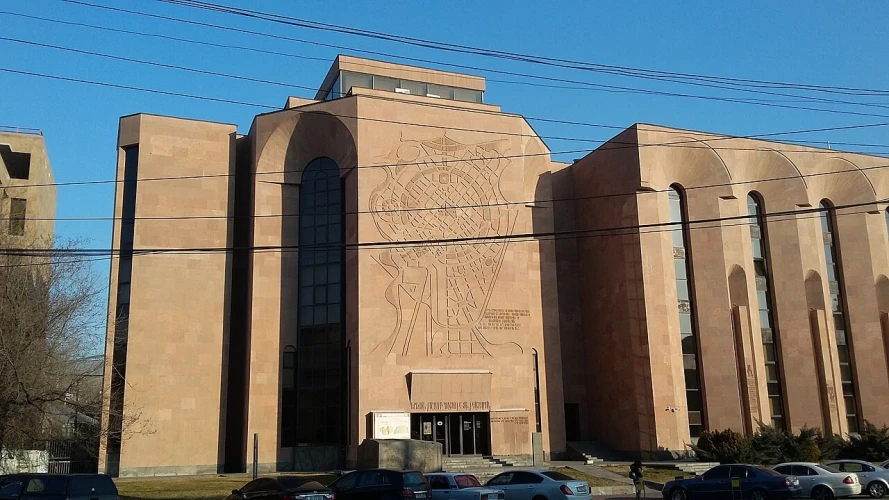

Yerevan History Museum
The capital explained through archaeology, maps, photographs and the rooms people once lived in


Do not confuse the Yerevan History Museum with the History Museum of Armenia on Republic Square. This museum studies one city: its archaeological layers, neighbourhoods, residents, changing streets and everyday habits. A useful way to move through it is to keep one question for every gallery: “What does this object reveal about Yerevan in its own time?”
Begin with the scale of the city
Founded in 1931, the museum holds archaeological, ethnographic, numismatic, artistic and documentary material. First find the city plans and chronological framework. They connect ancient settlement, medieval life, Persian rule, the Russian imperial city and Soviet rebuilding. Once that outline is clear, even a modest coin or clay vessel becomes evidence of urban history rather than an isolated old object.
Follow three threads: home, street and memory
In the domestic display, look beyond the attractive carpet. Compare table setting, furniture, lighting and clothing; together they explain how a household used its space. Then search the photographic section for a street, workshop or market from the same city. Moving between map and furnished room turns Yerevan from a list of dates into an environment inhabited by real people.
One city name, several written forms
The inscribed stone near the entrance is a reminder that a place name is also historical evidence. Connect its different written forms with maps and documents inside. With children, try a simple challenge: find three objects linked to water, trade and home. It sustains attention better than a long lecture. Before taking pictures, check the rule in each gallery and avoid flash near sensitive material.
Continue the same story outside
Allow 1-2 hours and verify the schedule through the museum website or the Yerevan Municipality overview. Afterwards, compare the earliest layer at Erebuni Fortress, walk toward Republic Square and the Blue Mosque, or choose the next stop from GAVAG's Armenia attractions.
Frequently asked questions
Book a private transfer
Add this stop to your trip, see the full route on the map, and compare offers from local drivers.