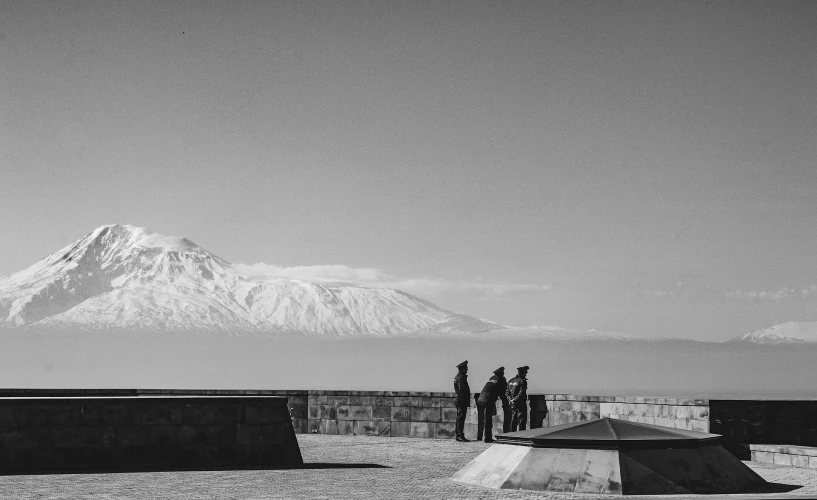

Armenian Genocide Museum
A research museum where documents, photographs and testimony build a chronological account across 12 halls


The Armenian Genocide Museum is not simply an indoor extension of the memorial outside. It builds memory through sources: maps, state records, press, photographs and individual testimony. Opened in 1995, its renewed permanent exhibition has occupied 12 halls since 2015, with Armenian, English and Russian interpretation designed for careful reading.
Enter with a question, not a completion target
Choose one question before you begin: who created this source, when, and for what purpose? That habit turns a large collection into an evidence trail. The subterranean architecture removes much of the outside noise, yet the subject remains emotionally demanding. Pausing or leaving a section is a valid way to visit, especially with younger or older companions.
Follow the argument across twelve halls
The sequence moves from Armenian community life before 1915 to deportation, mass violence, international responses, survivor histories and later remembrance. At each display, distinguish an original object from a reproduction or digital presentation. The useful question is not only what happened, but how historians know and corroborate it.
Let one witness interrupt the scale
Do not force yourself to read every panel. Select one witness, locate the person’s town and occupation, then compare the testimony with the map and chronology nearby. A named life gives human scale to demographic evidence without turning suffering into spectacle. Allow a quiet minute before moving to the next cluster of material.
Admission, timing and conduct
General admission is free and donations are welcomed; guided tours are paid and must be reserved in advance. Check the official seasonal hours and last entry before travelling. Food, drink and smoking are prohibited. Follow gallery-specific photography signs and staff instructions rather than assuming one rule applies everywhere.
Move from evidence into the memorial landscape
After the final hall, use the separate Tsitsernakaberd Memorial guide for the eternal flame, memorial column and park. Compare other ways institutions preserve evidence at the Matenadaran and the History Museum of Armenia, or browse more Yerevan places. The museum also outlines its permanent exhibition concept.
Frequently asked questions
Book a private transfer
Add this stop to your trip, see the full route on the map, and compare offers from local drivers.